Industry
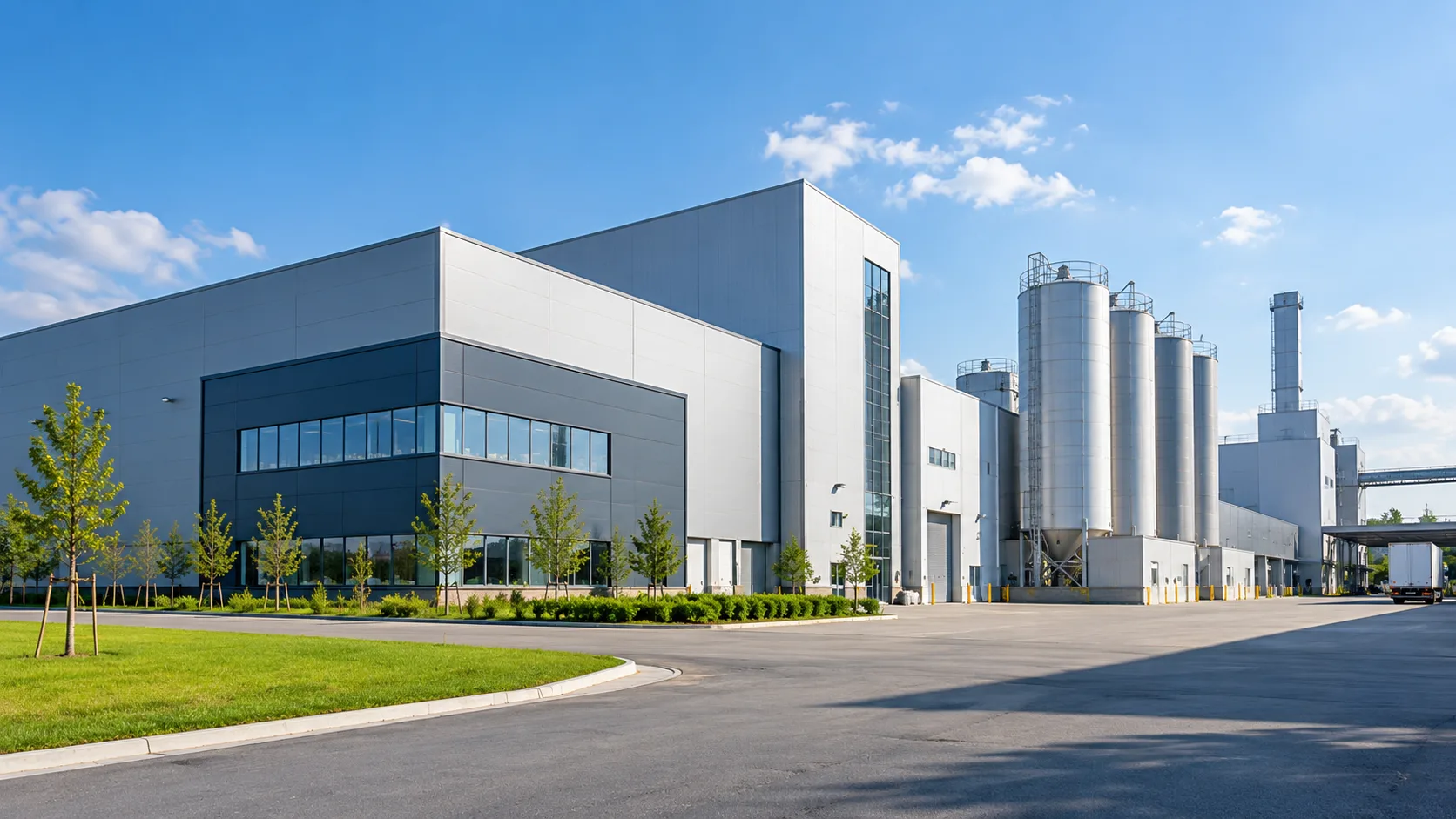
Industrial wastewater, chemical sites, power plants, water intakes and sea outfalls: pipes chosen for harsh operating conditions.
Demanding fluids and environments
Industrial networks carry loaded, corrosive or abrasive effluents. GRP contains no metallic material and does not corrode; depending on the application, steel-cylinder reinforced concrete completes the range.
- GRP: industrial wastewater and chemical sites, thanks to its chemical inertness; submarine pipelines, water intakes, outfalls and diffusers; transport and pumping mains in power plants
- Steel-cylinder reinforced concrete: industrial sites and logistics areas, static and dynamic loads
The right solutions
The ranges we most often propose for this application.
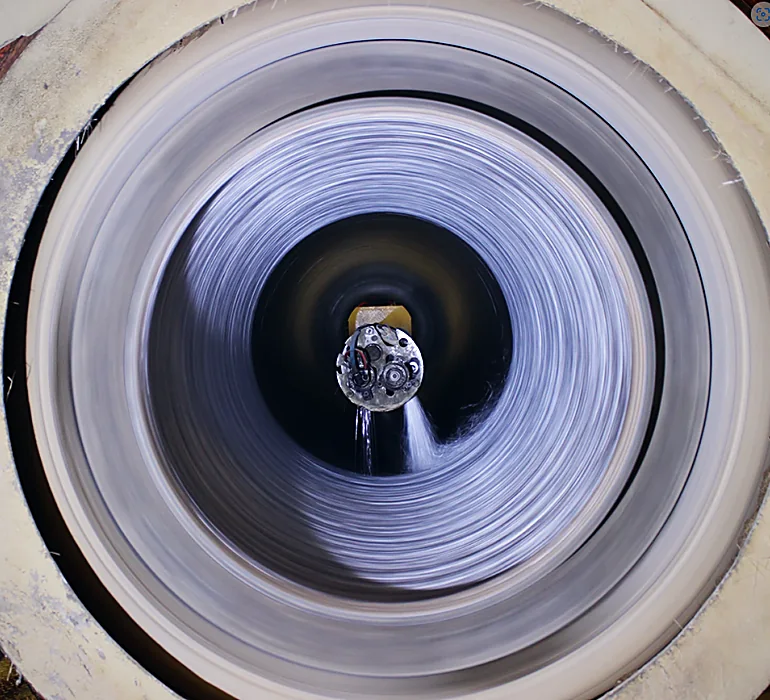
Centrifugally cast GRP
Pipes from DN 200 to 2000 for sewerage, stormwater and raw water.
Discover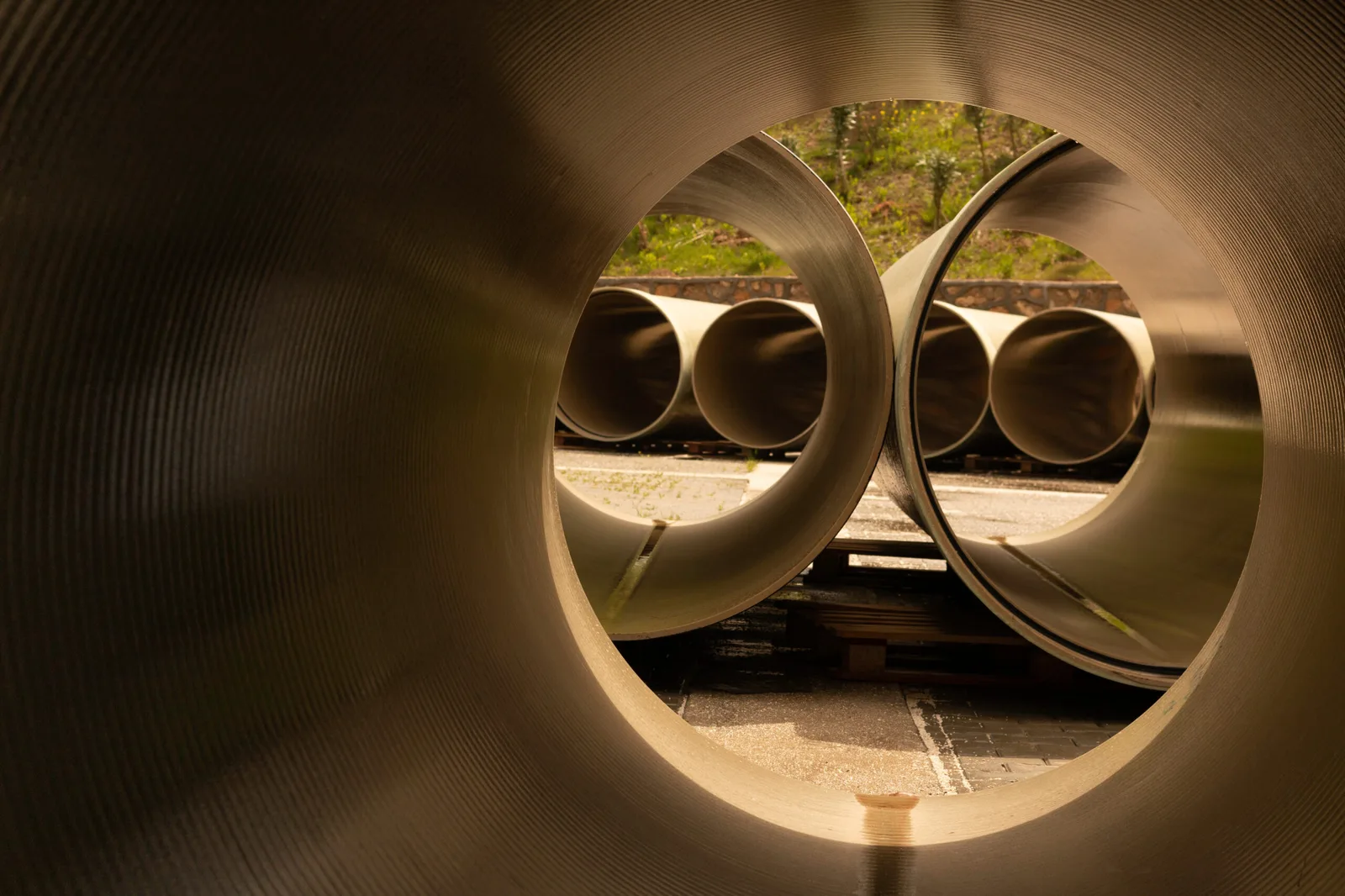
Filament-wound GRP
From DN 200 to DN 4000, pressure pipelines and hydropower.
Discover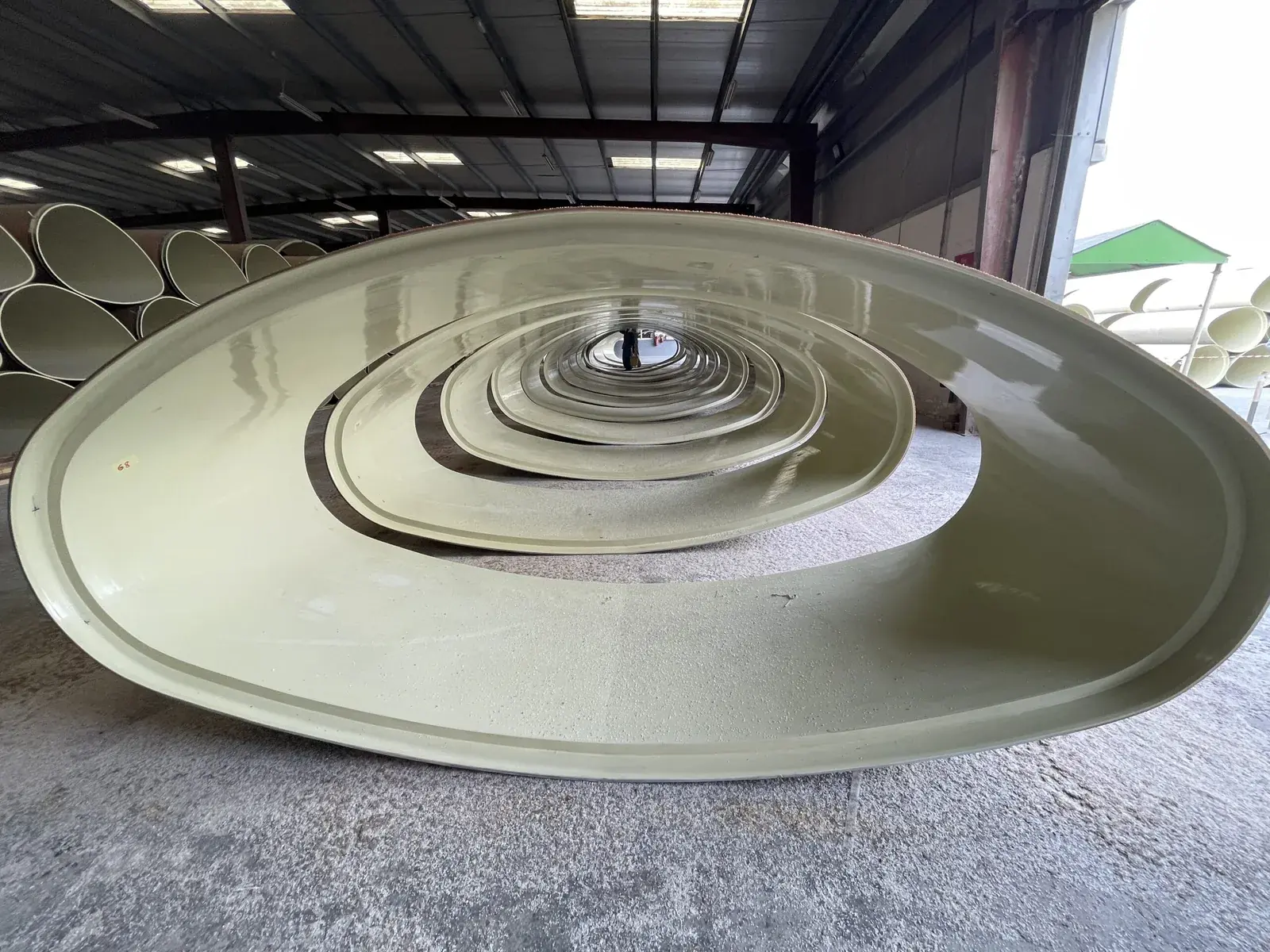
GRP shells
Rehabilitation and sliplining of existing structures, custom shapes.
Discover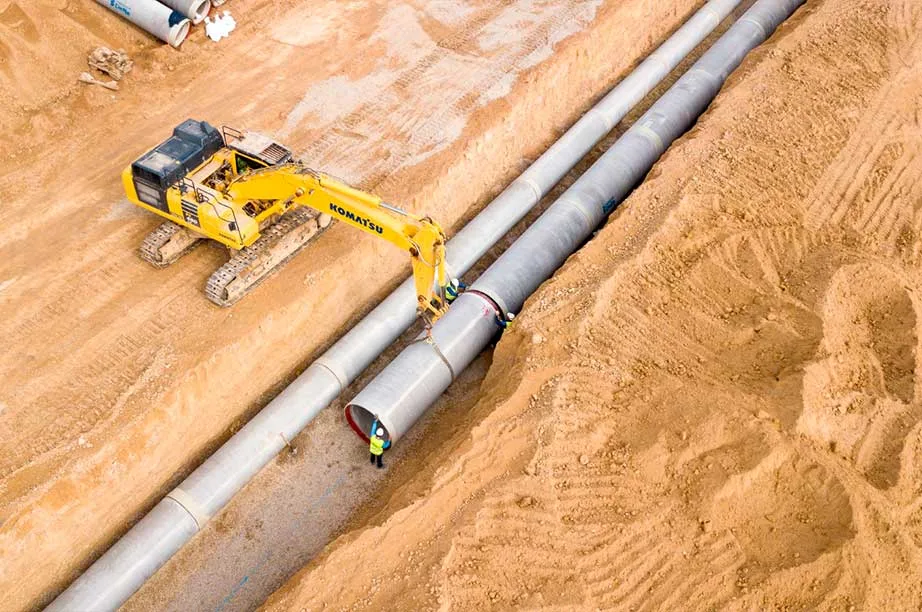
Steel-cylinder reinforced concrete
DN 1000 to 2500: drinking-water transfer, stormwater, sewerage and buried structures.
DiscoverWhat our support changes
Chemical compatibility
For industrial wastewater, we need the chemicals and their concentrations to choose the right product.
Choice of material
GRP, steel-cylinder reinforced concrete or other: we compare according to diameter, depth and soil.
Rehabilitation
GRP shells suit rehabilitation work on industrial sites.
Frequently asked questions
Which pipe for aggressive industrial effluents?
The chemicals and their concentrations must be provided so that the right product can be chosen. Send us the effluent composition and temperature, and we will point you to the most suitable solution.
Does GRP resist abrasion?
Yes: centrifugally cast GRP has exceptional abrasion resistance (loaded effluents, sand, silt), thanks to its inner layer, which is thicker than on filament winding.
Need personalised support?
Tell us about your project: we help you choose the right solution, size it and prepare the installation. Marc Sadok replies promptly.