
Sewerage and wastewater drainage
Gravity collectors, pumping mains and rehabilitation: the material follows the network.
A material chosen to suit the network
Depending on diameter, load and effluent, the choice is between GRP, HDPE, steel-cylinder reinforced concrete and, to rehabilitate an accessible sewer, GRP shells.
- Centrifugally cast GRP: abrasion resistance (loaded effluents, sand, silt)
- HDPE: double-wall corrugated pipes for gravity; PE100 pipes (group 4) for pressure sewerage
- Steel-cylinder reinforced concrete: wastewater collectors and sewer networks
- GRP shells: rehabilitation of accessible sewers, H₂S resistance
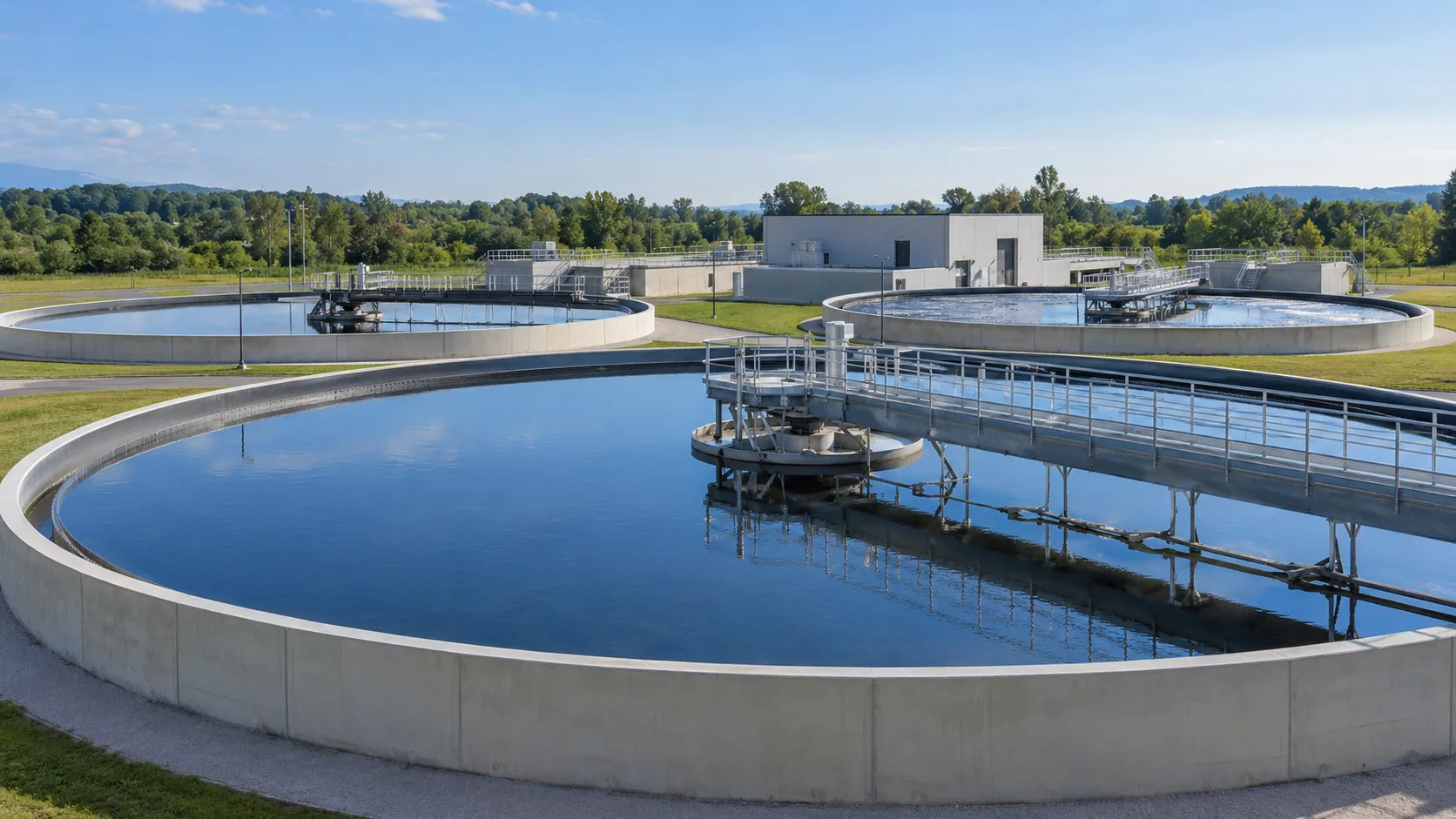
The right solutions
The ranges we most often propose for this application.
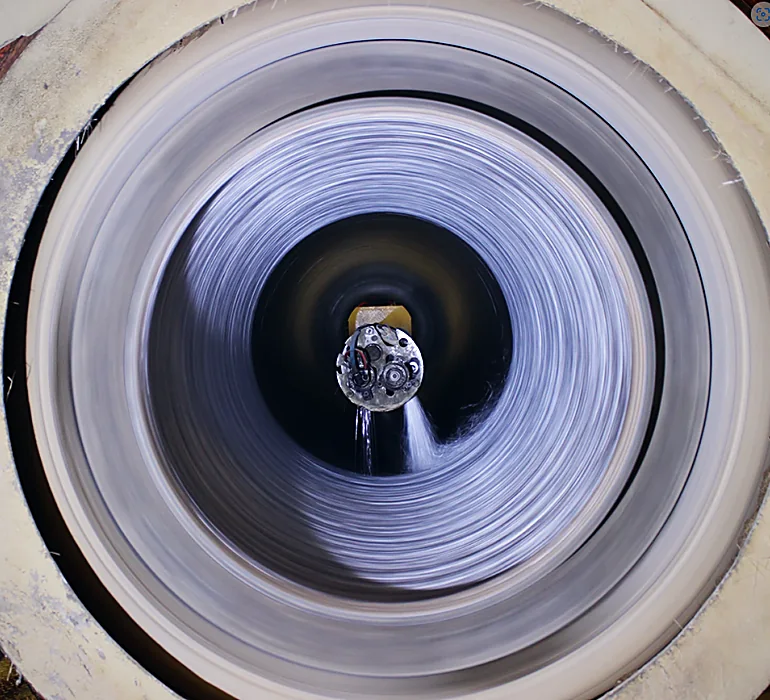
Centrifugally cast GRP
Pipes from DN 200 to 2000 for sewerage, stormwater and raw water.
Discover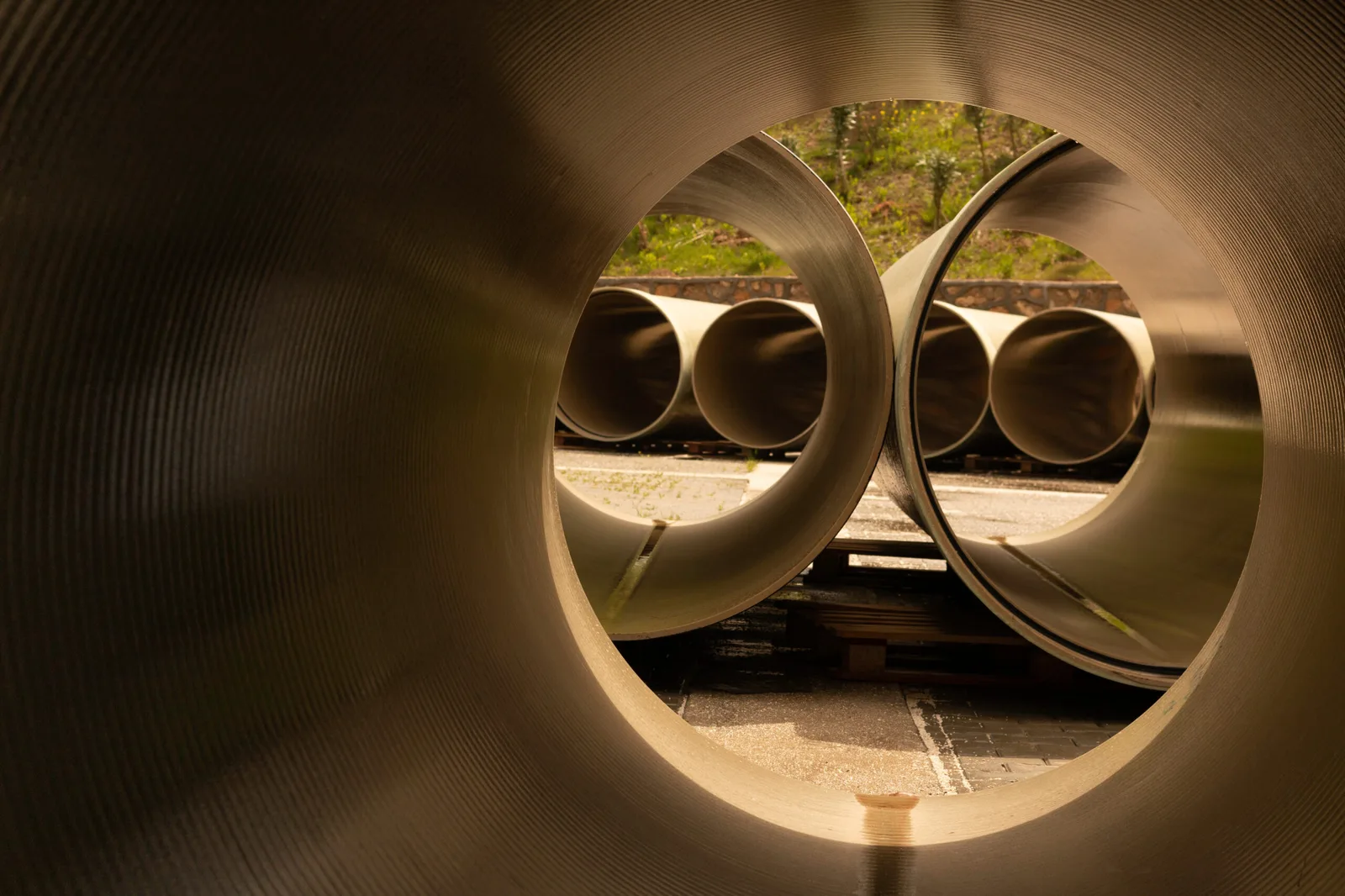
Filament-wound GRP
From DN 200 to DN 4000, pressure pipelines and hydropower.
Discover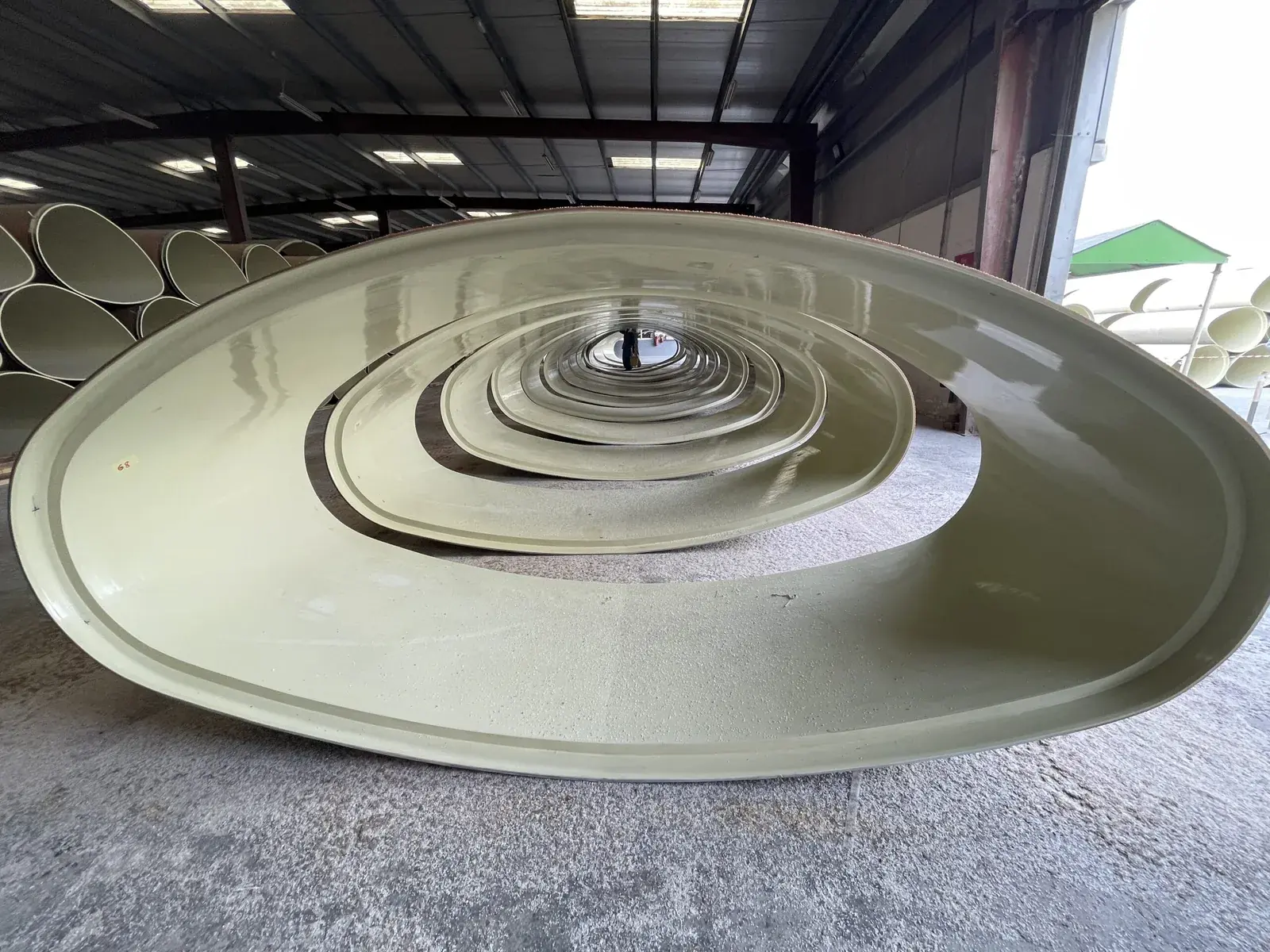
GRP shells
Rehabilitation and sliplining of existing structures, custom shapes.
Discover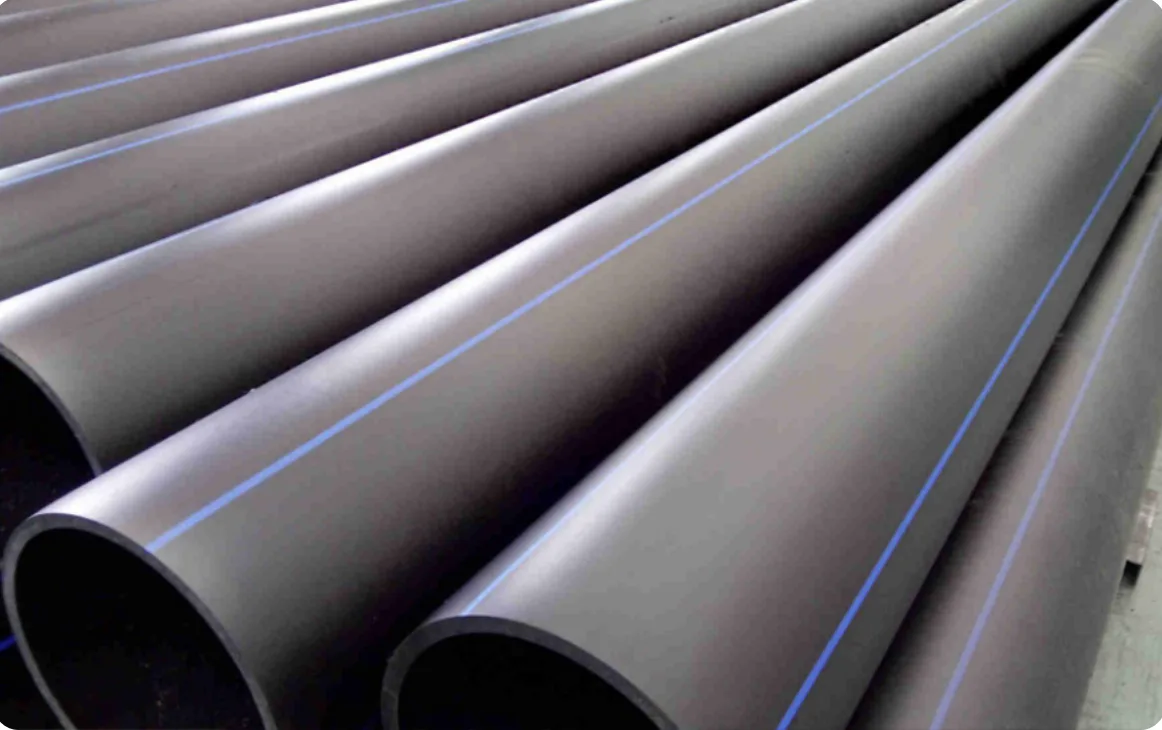
HDPE pipes
Water, sewerage, irrigation, industry: PE100 pipes and double-wall corrugated pipes.
Discover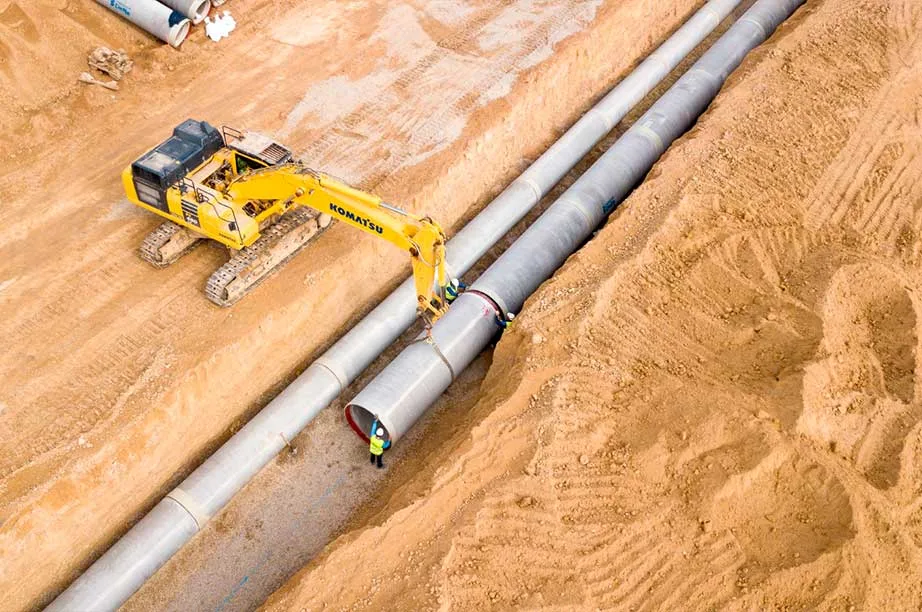
Steel-cylinder reinforced concrete
DN 1000 to 2500: drinking-water transfer, stormwater, sewerage and buried structures.
DiscoverWhat our support changes
Choice of material
GRP, HDPE or other: we compare based on diameter, depth and soil.
Hydraulic and mechanical calculations
Flow capacity, ring stiffness, buoyancy: we check the sensitive points.
Installation advice
Bedding, backfill, compaction and checks to plan for on site.
Frequently asked questions
GRP or HDPE for a wastewater collector?
Centrifugally cast GRP (DN 200 to 2000, stiffness SN 5000 to 20 000) and double-wall corrugated HDPE (DN 160 to 2000, SN4 to SN16) both suit gravity networks. We give you a reasoned opinion for your project.
Need personalised support?
Tell us about your project: we help you choose the right solution, size it and prepare the installation. Marc Sadok replies promptly.